Operating philosophy
Six things I believe about building with AI.
Not predictions, and not opinions about which model is winning this month. These are the working rules underneath every system on this site — the reasons things are built the way they are built.
The philosophy behind every system, workflow, and decision.
Six operational beliefs — not motivational statements. Move across them to see the argument, and the thing I built that proves it.
AI is no longer a feature.
It is becoming the foundational layer through which products, systems, interfaces and decisions get designed. The future will not belong to people who merely use AI — it will belong to those who can architect around it.
ROASmindOne-off execution collapses under scale. Systems do not.
The goal is no longer to solve problems, but to build environments where solutions continuously emerge, adapt and evolve.
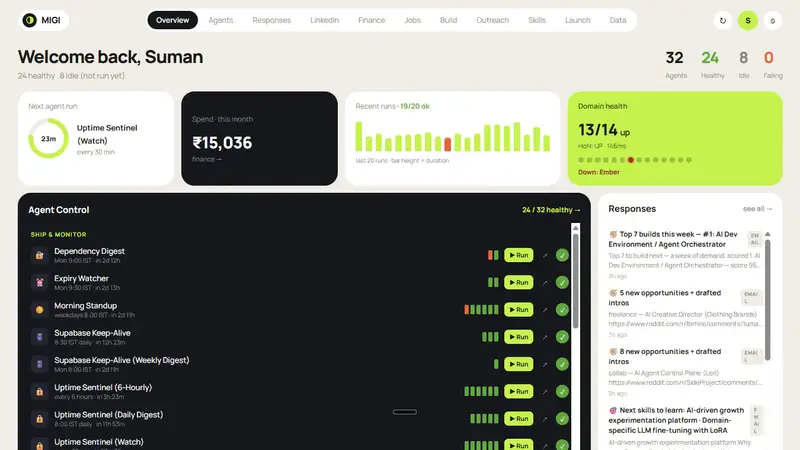
MIGIAs AI becomes more capable, human originality becomes more valuable.
The challenge is no longer access to intelligence. It is preserving judgment, taste, instinct and perspective inside increasingly automated systems.
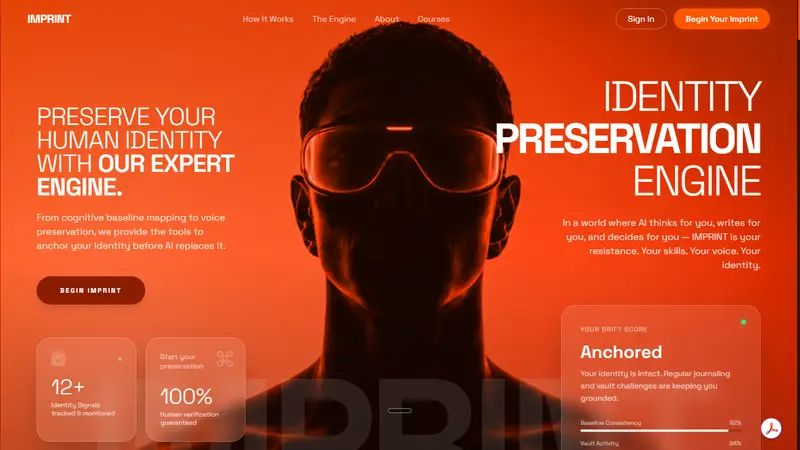
IMPRINTAI accelerates execution — and execution without taste creates noise.
Design, clarity, composition, language and emotional precision still separate meaningful systems from disposable ones.
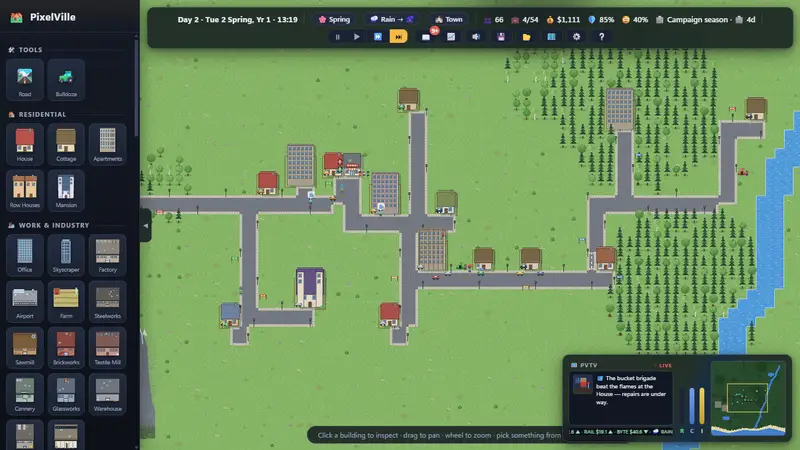
PixelVilleThought and execution are no longer separated by weeks.
AI-native environments changed that relationship permanently. The ability to prototype, iterate, test and evolve a system quickly is now a strategic advantage in itself.
D-PE.aiThe modern builder is no longer limited to a single discipline.
Design, strategy, systems thinking, automation, engineering and AI orchestration are converging into one new operating model.
PentaCMD-47M

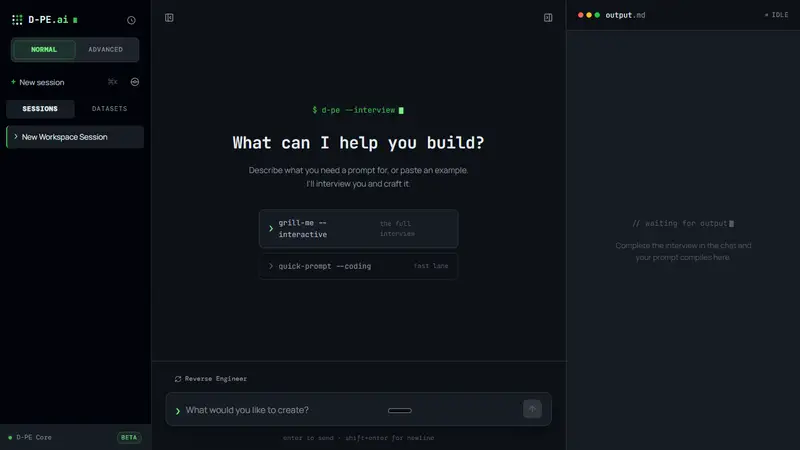
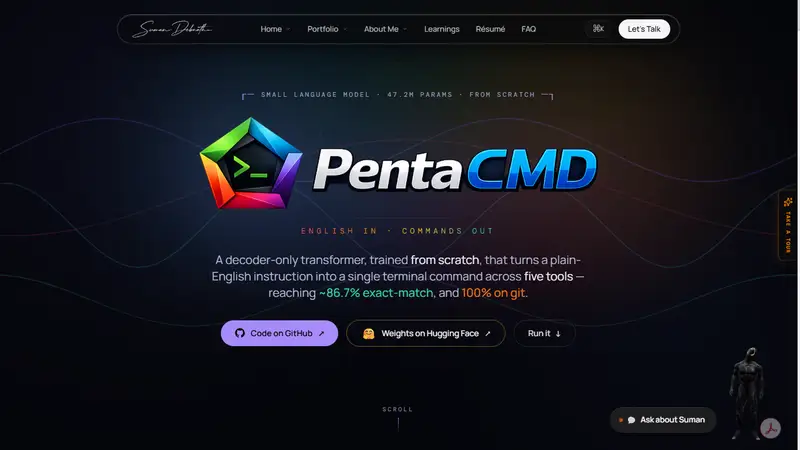
The future belongs to operators who can think across systems.
Frequently Asked
Questions about AI-native work.
Direct answers to the questions recruiters, founders, and operators most often ask about the AI-native product builder operating model. See the full FAQ archive →
What does it mean that intelligence is infrastructure?
AI is no longer a feature. It is becoming the foundational layer through which products, systems, interfaces, operations, and decisions are designed. The future will not belong to people who merely use AI — it will belong to those who can architect around it.
Why do systems matter more than one-off execution?
One-off execution eventually collapses under scale. Systems do not. The goal is no longer to simply solve problems, but to build environments where solutions continuously emerge, adapt, and evolve.
How does human identity survive automation?
As artificial intelligence becomes more capable, human originality becomes more valuable. The challenge is no longer access to intelligence — it is preserving judgment, taste, instinct, perspective, and human identity inside increasingly automated systems.
Does craft still matter when AI accelerates execution?
AI accelerates execution, but execution without taste creates noise. Design, clarity, composition, language, and emotional precision still separate meaningful systems from disposable ones.
Why is speed a creative advantage in AI-native work?
AI-native environments have fundamentally changed the relationship between thought and execution. The ability to rapidly prototype, iterate, test, and evolve systems is now a strategic advantage.
What is an AI-native product builder?
An AI-native product builder is an operator who designs, engineers, automates, and ships products with AI as the foundational layer of the workflow — not a feature bolted on. The role converges design, strategy, systems thinking, automation, engineering, and AI orchestration into one operating model.
What is an AI generalist?
An AI generalist is a multi-disciplinary operator who works across the full AI stack — prompt engineering, agentic systems, LLM orchestration, automation, product strategy, and engineering — rather than specializing in a single layer. The role exists because AI-native work rewards breadth across the entire pipeline.
How does someone transition from branding and digital marketing into AI-native software development?
By treating AI as infrastructure, not as a tool. The transition begins with structured prompt and context engineering, then agentic workflows, then full-stack AI product development using environments like Claude Code, Antigravity, Codex, Cursor, and Lovable. The decade of operational experience in brand, growth, and systems thinking compounds — it does not get discarded.
Human instinct. AI amplification. Systemic execution.The whole thesis, in six words